|
|
|
|
|
|
|
Metallica (USA)
|
|
|
April 24-25, 19:00
Olimpiisky Sports Complex 
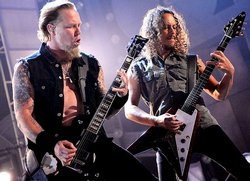 After releasing their masterpiece "Master of Puppets" in 1986, tragedy struck the band when their tour bus crashed while traveling in Sweden. Burton died in the accident. When the band decided to continue, Jason Newsted was chosen to replace Burton; two years later, the band released the conceptually ambitious "...And Justice for All", which hit the Top Ten without any radio play and very little support from MTV. But Metallica completely crossed over into the mainstream with 1991's Metallica, a self-titled effort that found the band trading in their long compositions for more concise song structures. Peppered with hits like "Wherever I May Roam" and "Enter Sandman", it resulted in a number one album that sold over seven million copies in the U.S. alone. To support the record, Metallica launched a long tour that kept the musicians on the road for nearly two years. By the '90s, Metallica had changed the rules for all heavy metal bands; they were the leaders of the genre, respected not only by headbangers, but by mainstream record buyers and critics. No other heavy metal band has ever been able to pull off such a feat. However, the group lost a portion of their core audience with their long-awaited follow-up to Metallica, 1996's Load. The album moved the band toward alternative rock in terms of image - they cut their hair and had their picture taken by Anton Corbijn. Although the album was a hit upon its summer release, entering the charts at number one and selling three million copies within two months, certain members of their fanbase complained about the shift in image, as well as the group's decision to headline the sixth Lollapalooza. After releasing their masterpiece "Master of Puppets" in 1986, tragedy struck the band when their tour bus crashed while traveling in Sweden. Burton died in the accident. When the band decided to continue, Jason Newsted was chosen to replace Burton; two years later, the band released the conceptually ambitious "...And Justice for All", which hit the Top Ten without any radio play and very little support from MTV. But Metallica completely crossed over into the mainstream with 1991's Metallica, a self-titled effort that found the band trading in their long compositions for more concise song structures. Peppered with hits like "Wherever I May Roam" and "Enter Sandman", it resulted in a number one album that sold over seven million copies in the U.S. alone. To support the record, Metallica launched a long tour that kept the musicians on the road for nearly two years. By the '90s, Metallica had changed the rules for all heavy metal bands; they were the leaders of the genre, respected not only by headbangers, but by mainstream record buyers and critics. No other heavy metal band has ever been able to pull off such a feat. However, the group lost a portion of their core audience with their long-awaited follow-up to Metallica, 1996's Load. The album moved the band toward alternative rock in terms of image - they cut their hair and had their picture taken by Anton Corbijn. Although the album was a hit upon its summer release, entering the charts at number one and selling three million copies within two months, certain members of their fanbase complained about the shift in image, as well as the group's decision to headline the sixth Lollapalooza.
"Re-Load" which combined new material with songs left off of the original "Load" record, appeared in 1997; despite poor reviews, it sold at a typically brisk pace and spun off several successful singles, including "Fuel" and "The Memory Remains." "Garage Inc.", a double-disc collection of B-sides, rarities, and newly recorded covers, followed in 1998. The band's take on Bob Seger's "Turn the Page" helped maintain their presence in the charts, and Metallica continued their flood of product with 1999's S&M, which documented a live concert with the San Francisco Symphony. It debuted at number two, reconfirming the group's immense popularity.
Metallica spent most of 2000 embroiled in controversy by spearheading a legal assault against Napster, a file-sharing service that allowed users to download music files from each other's computers. Aggressively targeting copyright infringement of their own material, the band notoriously had over 300,000 users kicked off the service, creating a widespread debate over the availability of digital music that raged for most of the year. In January 2001, bassist Jason Newsted announced his amicable departure from the band. Shortly after the band appeared at the ESPN awards in April of the same year, Hetfield, Hammett, and Ulrich entered the recording studio to begin work on their next album, with producer Bob Rock lined up to handle bass duties for the sessions. In July, Metallica surprisingly dropped their lawsuit against Napster, perhaps sensing that their controversial stance did more bad than good to their "band of the people" image. That same summer, the band's recording sessions (and all other band-related matters) were put on hold as Hetfield entered an undisclosed rehab facility for alcoholism and other addictions. He completed treatment and rejoined the band as they headed back into the studio in 2002 to record "St. Anger", which was later released in mid-2003.
The recording of "St. Anger" was capped with the search for a permanent replacement for Newstead. After a long audition process, former Ozzy Osbourne/Suicidal Tendencies bass player Robert Trujillo was selected and joined Metallica for their 2003/2004 world tour. The growing pains that the band experienced during the recording of "St. Anger" were captured in the celebrated documentary "Some Kind of Monster", which saw theatrical release in 2004. Four years later, the band returned with "Death Magnetic", an energized album that returned the band to its early-'80s roots. Former Slayer producer Rick Rubin helmed the album, having replaced the band's longtime producer Bob Rock, while Kirk Hammett peppered the record with metallic riffs and frenetic solos.
More info
|
|
|
|
|

 The virtual community for English speaking expats and Russians