|
|
|
|
|
|
|
U2 (Ireland)
|
|
|
August 25, 19:00
Luzhniki Sports Palace 
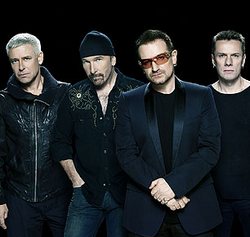 In the fall of 1979, U2 released their debut EP "U2 Three". The EP was available only in Ireland, where it topped the national charts. Shortly afterward, they began to play in England, but they failed to gain much attention away from home. U2 scored one more chart-topping single, "Another Day," in early 1980 before Island Records offered the group a contract. Later that year, the band's full-length debut "Boy" was released. Produced by Steve Lillywhite, the record's sweeping, atmospheric but edgy sound was unlike most of its post-punk contemporaries, and the band earned further attention for its public embrace of Christianity; only Clayton was not a practicing Christian. Through constant touring, including opening gigs for Talking Heads, U2 was able to take "Boy" into the American Top 70 in early 1981. "October", also produced by Lillywhite, followed in the fall, and it became their British breakthrough, reaching number 11 on the charts. By early 1983, Boy's "I Will Follow" and October's "Gloria" had become staples on MTV, which, along with their touring, gave the group a formidable cult following in the U.S. Released in the spring of 1983, the Lillywhite-produced "War" became U2's breakthrough release, entering the U.K. charts at number one and elevating them into arenas in the United States, where the album peaked at number 12.
"War" had a stronger political message than its predecessors, as evidenced by the international hits "Sunday Bloody Sunday" and "New Year's Day." U2 had become one of the most popular bands in the world, and their righteous political stance soon became replicated by many other bands, providing the impetus for the Band Aid and Live Aid projects in 1984 and 1985, respectively. Released in the fall of 1984 "The Unforgettable Fire" replicated the chart status of "War" entering the U.K. charts at number one and reaching number 12 in the U.S. U2 supported the album with a successful international tour, highlighted by a show-stealing performance at Live Aid. While U2 had become one of the most successful rock bands of the 1980s, they didn't truly become superstars until the spring 1987 release of "The Joshua Tree". Greeted with enthusiastic reviews, many of which proclaimed the album a masterpiece, "The Joshua Tree" became the band's first American number one hit and their third straight album to enter the U.K. charts at number one; in England, it set a record by going platinum within 28 hours. Generating the U.S. number one hits "With or Without You" and "I Still Haven't Found What I'm Looking For," "The Joshua Tree" and the group's supporting tour became the biggest success story of 1987, earning U2 the cover of respected publications like Time magazine.
U2 reconvened in Berlin in 1990 to record a new album with Eno and Lanois. While the sessions for the album were difficult, the resulting record "Achtung Baby" represented a successful reinvention of the band's trademark sound. Inspired equally by late-1970s Bowie and the Madchester scene in the U.K., "Achtung Baby" was sonically more eclectic and adventurous than U2's earlier work, and it didn't alienate their core audience. The album debuted at number one throughout the world and spawned Top Ten hits with "Mysterious Ways" and "One."
Released in the summer of 1993 to coincide with the tour of the same name "Zooropa" demonstrated a heavier techno and dance influence than "Achtung Baby" and received strong reviews. Nevertheless, the album stalled at sales of two million and failed to generate a big hit single. Upon the completion of the Zooropa tour in late 1993, the band took an extended break. During 1995, U2 re-emerged with "Hold Me, Thrill Me, Kiss Me, Kill Me," a glam rock theme to "Batman Forever" that was produced by Nellee Hooper (Bjork, Soul II Soul). U2 promised their next album, to be released in the fall of 1996, would be a rock & roll record. The album took longer to complete than usual, ultimately being pushed back to the spring of 1997. During its delay, a few tracks, including the forthcoming first single "Discotheque," were leaked, and it became clear that the new album was going to be heavily influenced by techno, dance, and electronic music.
When it was finally released "Pop" did indeed bear a heavier dance influence, but it was greeted with strong initial sales and a few positive reviews. Demand for the album lessened in the following months, however, and "Pop" ultimately became the band's least popular album in over a decade. Three years after the mediocre response to "Pop", U2 teamed up with Eno and Lanois once again to release "All That You Can't Leave Behind" in fall 2000. The album was heralded as a return to form, melding the band's classic sound with contemporary trends. It topped charts around the world, reached number three in America, earned Grammy Awards for the singles "Beautiful Day" and "Walk On," and became the band's biggest-selling record in years.
Steve Lillywhite returned to the helm for U2's next record "How to Dismantle an Atomic Bomb". Released in November 2004, it hit the top of the Billboard charts and quickly gained platinum status. The album also garnered eight Grammy Awards, including Album of the Year, Rock Album of the Year, and Song of the Year. U2 were inducted into the Rock & Roll Hall of Fame in early 2005 and launched an international tour soon after, selling out arena venues in the U.S. and outdoor stadium shows abroad. The band then turned to longtime friends Brian Eno, Daniel Lanois, and Steve Lillywhite, all of whom helped shape the sound of U2's 12th studio effort. Entitled "No Line on the Horizon", the album was originally slated to appear in October 2008, although the release date was ultimately pushed back to March 2009.
"No Line on the Horizon" was followed by the U2 360° Tour named after the 360-degree staging and audience configuration it uses for shows, which U2 claims is "the first time a band has toured in stadiums with such a unique and original structure." To accommodate this, the stage set makes use of a massive four-legged supporting rig that has been nicknamed "The Claw" and has set a world record for the largest concert stage structure. The Croke Park tour dates in Dublin won the 2009 Billboard Touring Award for best box score at a single venue. The penultimate show of the second leg, held at the Rose Bowl in Pasadena, California, was filmed for the concert release "U2 360° at the Rose Bowl". It was streamed live over YouTube, and set a new US attendance record for a single headlining act, as well as being the most watched live video stream in the website's history.
More info
|
|
|
|
|

 The virtual community for English speaking expats and Russians